Melissa Traverse:
Hello, and thank you for joining. I am Melissa Traverse, Director of Community here at BevNET In Nosh, and I am pleased to welcome you to the Nombase Podcast. Don’t forget to check out nombase.com, BevNET’s platform built for the CPG community. It’s where you can find episodes of this podcast and so much more.
Finance and fundraising are the lifeblood of scaling CPG brands, yet the path to securing capital is rarely straightforward. From bootstrapping and small grants to crowdfunding campaigns, safe notes, and angel rounds, founders must constantly adapt to changing market conditions and investor expectations. Painterland Sisters, one of the fastest-growing organic yogurt brands in the country, embodies that journey—moving from a small Pennsylvania dairy farm to national distribution while navigating unexpected funding setbacks and ambitious expansion plans.
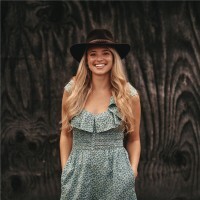
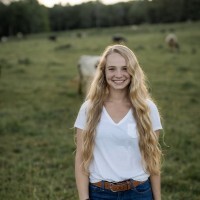
Joining us from the Painterland Sisters are Stephanie and Hayley Painter, co-founders who have guided the company from its early scrappy beginnings to its recent seven-figure seed round. Bringing a finance and strategy perspective is Kevin Griffith, fractional CFO with AmpliFi Capital, who helped structure the company’s Wefunder campaign, safe note, and seed round, and has overseen the financial modeling behind its growth.
Today, we’re going to talk about how Painterland Sisters raised capital at every stage of their growth, how founders can plan for working capital and investor relations, and what lessons other CPG brands can take away about structuring deals, weathering surprises, and balancing mission with margins.
Well, I can’t thank you all enough for joining. Hayley, Stephanie, and Kevin, thank you so much for being here. I have to say, Painterland Sisters Yogurt is one of my favorite things to track down at any trade show. And I know I’m not alone, because every time I show up at your booth, there’s a line of people doing the same thing. It’s truly such a pleasure to have you both here. You didn’t even know you were starting a CPG company when you decided to sell yogurt, and now you’re a nationally distributed brand that just closed a seven-figure seed round. How’s that going for you?
Hayley Painter:
Yeehaw! Thank you, Melissa, for having us. It’s always great interacting with you and your team.
Stephanie Painter:
I’m Stephanie Painter, by the way.
Hayley Painter:
And I’m Hayley. It’s been a lot of fun—something we definitely never imagined. Like you said, we didn’t even know what CPG meant, and here we are, learning and navigating every day. It’s been a journey, and doing it with my sister makes it even more meaningful.
Stephanie Painter:
Forming a great team has been key. Kevin’s on the call right now, and part of our growth has been knowing what we don’t know and bringing in people who do. Sometimes it’s three steps forward and one step back, but little by little we figured out that, yes, we are in the CPG industry. We’re now selling Icelandic-style skyr yogurt in all fifty states, mostly in the natural channel, and we’ve learned so much along the way.
Melissa Traverse:
You both started with credit cards, grants, and small loans. How did you decide how much personal risk to take on before seeking outside capital?
Stephanie Painter:
We started by creating a business plan. The first rounds of funding were about figuring out how to start a company, how to use our family farm’s milk, and how to turn it into a value-added product. Our goal was to connect the world to the farm and the farm to the world.
We found our graphic designer on Instagram—she had the vibe we wanted. We put that expense on a credit card. That was the start of many. We believed in showing people who we are visually. We didn’t even know it would be yogurt yet; we just wanted to find a way to sustain our family’s dairy farm.
Hayley Painter:
Exactly. We were very intentional and frugal. It took two years to plan before we launched. We didn’t have funds, so we started applying for grants. We connected with the Center for Dairy Excellence in Pennsylvania and received multiple grants to develop our business plan before taking any loans. Later, we got a small working capital loan from Virginia Food Shed Capital. That combination gave us a real foundation before scaling further.
Melissa Traverse:
Kevin, for founders who are bootstrapping, what’s the smartest way to track cash flow and set up clean books so investors can trust the numbers later?
Kevin Griffith:
Investors want to see accrual financials, not just cash basis. That means tracking revenue when you ship product and expenses when you sell it, not when money changes hands. It requires an accounting and inventory system—QuickBooks is a great place to start. Inventory management tools like Katana or CIN7 are affordable options. Setting that up early makes growth easier and builds investor confidence.
Melissa Traverse:
Hayley and Stephanie, did you take that approach?
Hayley Painter:
Yes. Using our grant and loan funds, plus maxed-out credit cards, we made sure to set everything up properly from the start. We used QuickBooks, hired a local accountant in Lancaster County, and built from there. It wasn’t easy—$120 a month felt like a lot then—but it set us up for success. We also got our LLC formed, built a 150-page business plan, and presented it at our family’s farm table to our bank. They approved our first loan just in time for our first yogurt trial in November 2021, which led to our first sellable product in March 2022.
We were scrappy—sleeping in our car, cutting expenses, doing whatever was needed. Launching during COVID was actually a blessing because virtual buyer meetings saved huge travel costs.
Melissa Traverse:
You originally planned to manufacture yourselves, but you switched to a co-packer. How did that change your funding strategy?
Stephanie Painter:
We spent over a year planning our own facility, even hiring an architect. But then we realized we were building two businesses—a manufacturer and a CPG brand—and pivoted in six weeks to a co-packer model. That decision changed everything. We found an Icelandic co-packer whose values aligned with ours, and we still work with them today.
Kevin Griffith:
That was a smart pivot. Manufacturing yogurt can cost $25 million upfront. Working with a co-packer helps founders prove market traction first. It makes modeling much simpler, too, because your unit economics are clearer. Once you prove demand, you can decide later whether to bring production in-house.
Melissa Traverse:
You had a bank loan pulled at the last minute. What happened?
Hayley Painter:
After launching in 2022, things moved fast—giant, sprouts, natural grocers, new brokers. We were growing but burning cash quickly. We started a Wefunder round, and after it closed, we expected another bank loan that got pulled when several major banks failed in 2023. We had to pivot immediately.
Kevin Griffith:
That was during the Silicon Valley Bank and First Republic collapses. Banking risk appetite disappeared overnight. For startups, banks are rarely reliable lenders until profitability. That’s when we decided to launch a bridge round using a safe note.
Melissa Traverse:
Can you explain what a safe note is, in simple terms?
Kevin Griffith:
Sure. A safe—Simple Agreement for Future Equity—is a short, standardized agreement created by Y Combinator. Instead of issuing shares immediately, investors provide capital that converts into equity later when a priced round happens. It’s inexpensive to set up and quick to execute.
Stephanie Painter:
We explained it to our Wefunder investors by saying it’s safe for both sides—it gives the company time to mature and investors flexibility based on performance.
Melissa Traverse:
You raised over $1.2 million through Wefunder. What did you learn from that process?
Hayley Painter:
We launched our campaign thinking it would fill fast. It didn’t. We relisted, reworked our messaging, made our pitch simpler, and started hosting small virtual and in-person meetings. Our senior brand manager helped rewrite everything in plain language. That was the breakthrough. By January, we had raised the full amount—$1.23 million—mostly from our Pennsylvania community.
Stephanie Painter:
I was at the booth at the Pennsylvania Farm Show when we closed. It was emotional. We learned how to communicate clearly and authentically with investors.
Kevin Griffith:
That’s the power of founder-driven crowdfunding. People didn’t just believe in the yogurt—they believed in Hayley and Stephanie.
Melissa Traverse:
Then you moved into a seed round. How did you secure those investors?
Hayley Painter:
The Wefunder buzz led to inbound interest, especially after Expo West and winning the Pitch Slam and Organic Entrepreneurs of the Year. We met Angel Group, Supernatural Ventures, and Space Station through those connections. We wanted mission-aligned investors, not just capital. These were real people who believed in our story.
Stephanie Painter:
We pitched Angel Group over Zoom and Space Station through an email campaign that filled quickly. It was surreal—some of our dream investors, including Olympian Tara Woodhall-Davis and Shawn Johnson, came in through Space Station. We also had industry leader Kari from Greenspoon join, which meant the world to us.
Melissa Traverse:
Kevin, why does this seed round set them up for long-term success?
Kevin Griffith:
Equity funding gives you breathing room because the cash doesn’t have to be repaid like debt. The key is raising at reasonable valuations and with good people who’ll support you through the next stage. Painterland’s approach—modest checks, fair valuation, and aligned partners—builds a sustainable capital path. The best investors are the ones who want to keep backing you because they feel they got a fair deal.
Melissa Traverse:
Hayley and Stephanie, you’ve gone from maxing out credit cards to closing a seven-figure round. What’s the biggest fundraising lesson you’d share?
Stephanie Painter:
Know your standards before you need the capital. When you have to raise, push to understand your options. If someone says there are none, keep asking.
Hayley Painter:
Exactly. Everyone said our Wefunder goal was too high and that it would fail. It didn’t. You can push boundaries and still find the right partners. Keep asking questions, build relationships, and don’t be afraid to challenge assumptions.
Melissa Traverse:
Kevin, last question—what’s the most important financial habit for early-stage CPG founders to master?
Kevin Griffith:
Capital efficiency. Learn to make every dollar stretch, and never lose that habit as you grow. Many CPG brands fail between $30 and $100 million because they forget what made them scrappy. Keep that discipline baked into your culture.
Melissa Traverse:
Great advice. Stephanie and Hayley Painter of Painterland Sisters, and Kevin Griffith of AmpliFi Capital, thank you for sharing your story. For everyone listening, thank you for tuning in to the Nombase Podcast.