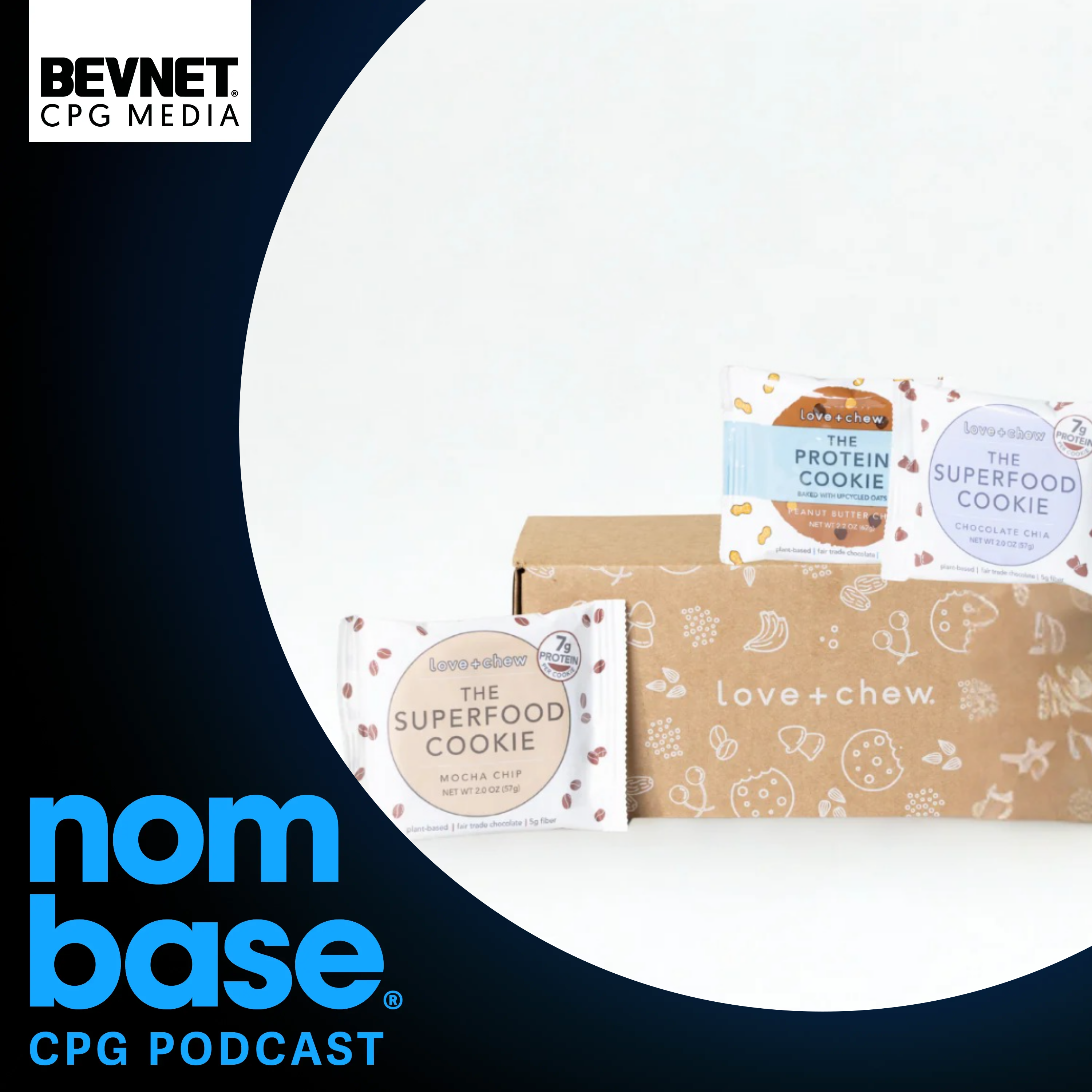
Getting onto retail shelves can feel like a big accomplishment—but what happens when strong velocity, national distribution, and real sales still don't add up to a profitable business?Lauren Chew of Love + Chew Superfood Cookies shares the story behind her decision to exit 2,500 retail doors through UNFI and KeHE—even with velocities buyers were happy with. Abby June Richards of The CPG CFO breaks down where the P&L falls apart for emerging brands and what founders need to understand about cash conversion cycles, trade spend, and channel-level profitability before signing a retailer contract. And Liana Krasnow of Noodo, a premium bone broth pasta sauce just 21 doors in, asks the questions every early-stage brand should be asking right now. You Will Learn:Why a brand can have great velocity and still be losing money on every caseThe hidden cash conversion cycle that can turn a modest monthly loss into a $3M cash problemHow to evaluate whether a specific retailer is actually a fit—before you sign anythingWhat trade spend really is, why it's not an operating expense, and how misreporting it can hurt you in due diligenceThe factors Lauren would weigh differently with her next brand, including shelf facings, direct shipping, and which retailers to avoid entirelyWhy regional, direct, and foodservice channels may deliver more profit than national distribution—and how to know when you're ready to scale
June 22, 202646 mins
As brands grow, it's easy to focus on the next retailer, the next marketing initiative, or the next distribution opportunity. But sustainable growth starts with a deeper understanding of your brand identity, who it's for, and what makes it truly different.In this episode, Eric Ramstad of Farmwell Drinks, Shaakira DeLoach of Ginja Snap, and brand strategist Kelly Criswell of Mudge to discuss how emerging brands can build around a niche, attract the right consumers, and create a foundation for long-term growth.From rebrands and packaging decisions to demos, consumer feedback, and community building, the conversation explores the questions founders should be asking as they refine their positioning and prepare to scale.You will learn:• How to identify the consumers most likely to become loyal customers• Why simplifying your messaging can strengthen your brand and improve consumer understanding• How to use demos and direct customer feedback to refine positioning and packaging• What creates meaningful differentiation when competitors can copy your ingredients or category• How to evaluate whether your current positioning can support future growth and expansion
June 16, 202639 mins
Rachel Krupa, founder of The Goods Mart, shares what emerging CPG brands can learn from small format retail, curated placements, and real shopper behavior. She also breaks down the reopening of The Goods Mart in Brooklyn, a new South Williamsburg location with double the space, expanded grab and go, frozen, pantry, beauty, home, vintage snack finds, and a front row view into what consumers actually buy.You will learn:How small format retail can help brands test packaging, price, and positioningWhy taste and founder hustle matter more than launch hypeHow placement at small format retail stores can lead to press, investors, and new accountsHow to think about hotels, offices, coffee shops, and other nontraditional channelsWhy operational readiness matters before expanding into new outletsHow to use customer feedback to understand what drives repeat purchase
May 27, 202633 mins
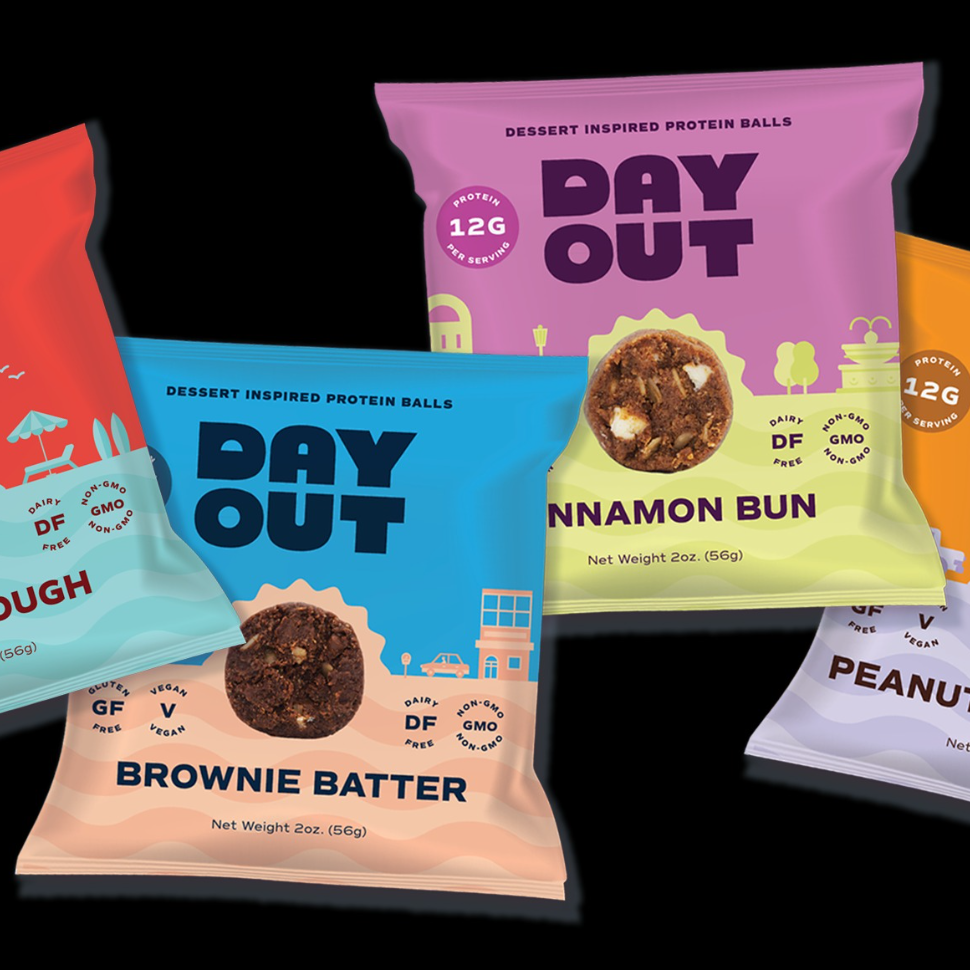
After raising capital, most founders feel like they have finally unlocked the ability to grow. But what you do next can determine whether that capital creates momentum or quietly sets your business back.In this episode, Day Out Snacks founder Becky Pleat sits down with Phil Trowler, former finance lead at Olipop, to discuss the specifics on how early stage CPG brands should actually think about deploying capital, building financial discipline, and preparing for what comes next.You will learn:The most expensive mistake founders make right after raising capitalWhy expanding into more retail doors too early can hurt your businessHow to prioritize velocity over distribution when deploying capitalWhat burn rate and contribution margin actually mean in practiceThe key financial metrics every founder should know weeklyHow to think about fundraising timing, milestones, and dilutionWhat strong unit economics look like and how to improve them over timeThe difference between scaling your business and just getting biggerWhen to invest in people versus systems as your company growsHow profitability changes your leverage in fundraising conversationsMake smarter decisions with your capital and avoid costly mistakes early!
April 8, 202647 mins
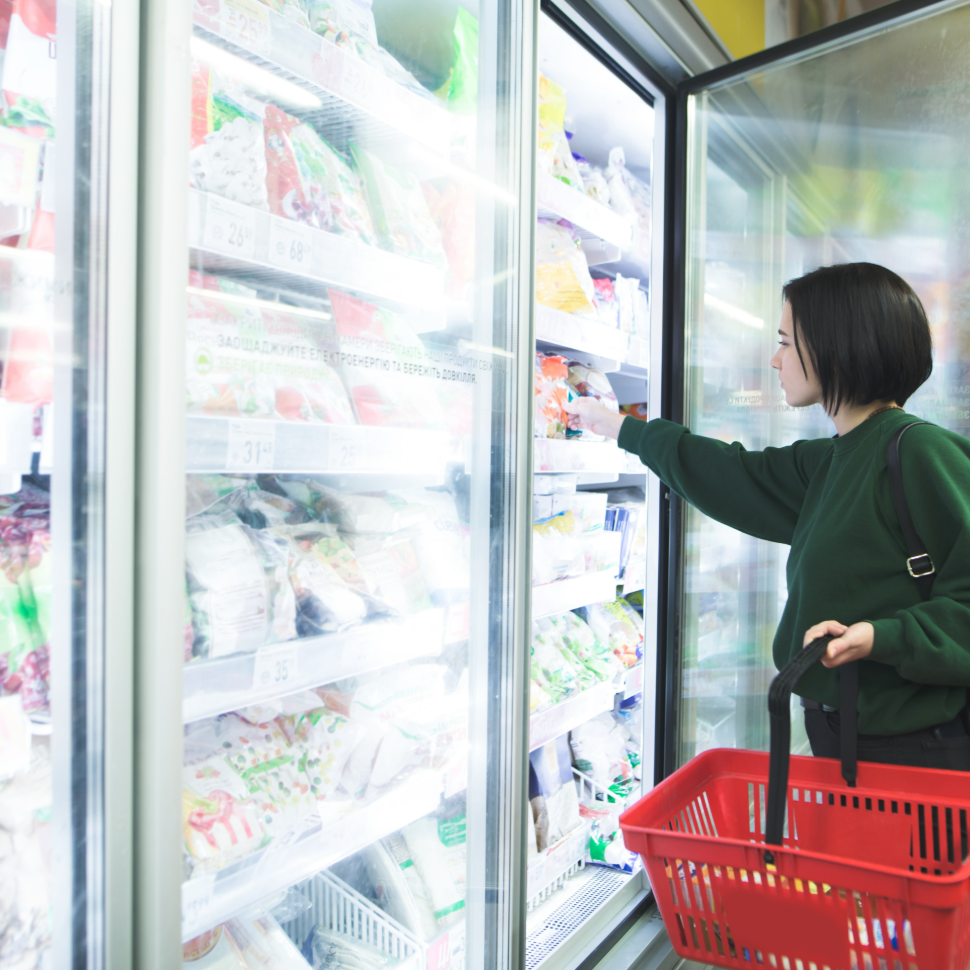
Building a great product is not enough, especially in a category that actively works against you.In this episode, Ayeshah Abuelhiga of Mason Dixie joins Hey!Hunger's Shireen Khera to talk about what it actually takes to win in one of the toughest environments in grocery. From getting customers to physically find your product to navigating low awareness, inconsistent merchandising, and long repurchase cycles, you'll see behind the scenes into the real work behind building a brand that sells: What it actually takes to get customers to find, try, and buy your product in a challenging categoryWhy getting on shelf is only the beginning and how to actively drive demand through demos, local marketing, and constant presenceWhy early brands should prioritize velocity and depth over expanding into more doors and how to know when you are truly ready to growHow to think about distribution, brokers, and expansion so you don't outgrow your ability to support the businessHow to understand your customer in a way that drives decisions on ingredients, pricing, and marginsHow to win the long game of building a brand in a category with high costs and slow repurchase cyclesWhether you are in frozen or any competitive category, you'll learn what it really takes to turn early traction into real, lasting growth.
March 31, 202644 mins
Expanding beyond the US is one of the biggest growth opportunities for CPG brands, and one of the easiest ways to get wrong.
In this episode, Ruth Fittock, managing partner of Tomorrow Brands, breaks down what it actually takes to launch successfully in the UK, a market worth billions in annual food and beverage sales. Drawing on experience with brands like Vitamin Water, PopChips, and Harmless Harvest, she shares what separates brands that scale from those that stall.
This conversation goes far beyond geography. It’s a deep dive into assessing true product market fit, identifying category white space, and determining if your brand is actually ready to scale. It also covers how to pace retail expansion, build demand before distribution, navigate strict regulations, and adapt positioning for a more skeptical consumer. Whether or not global expansion is on your roadmap, you’ll hear practical information to help build a brand that can win anywhere.
March 24, 202647 mins
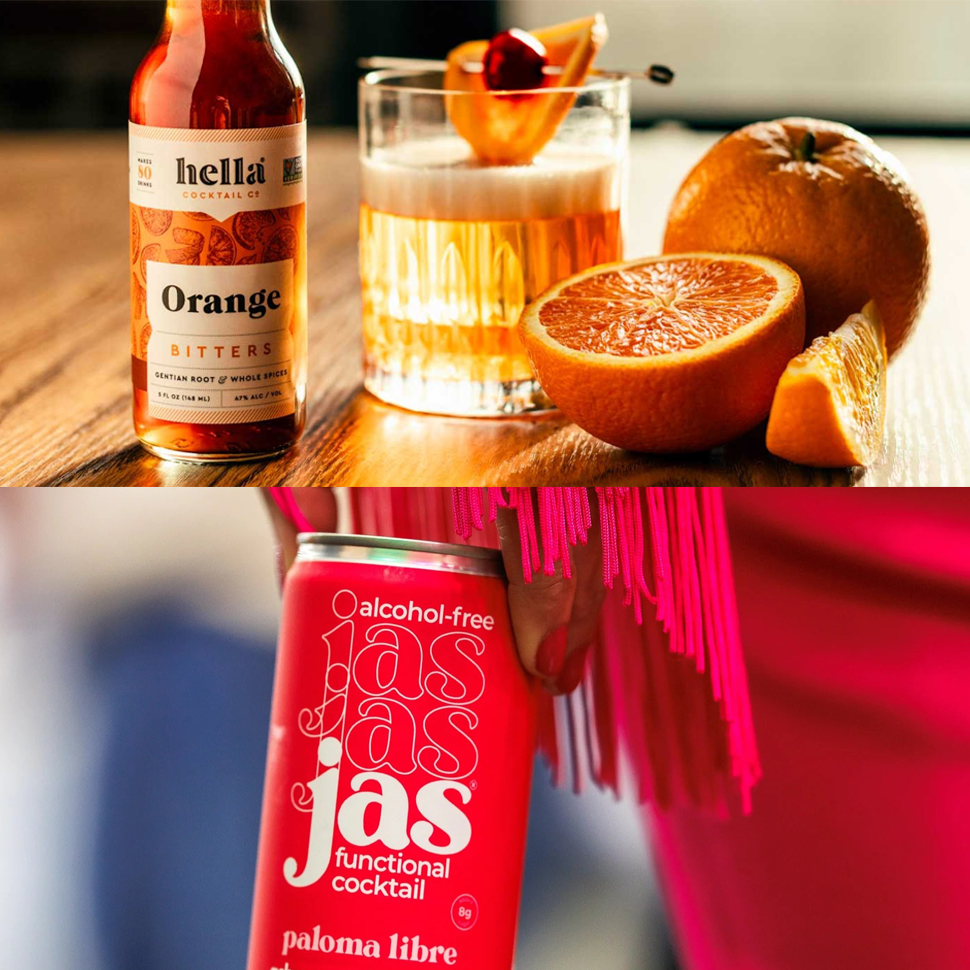
Getting into Whole Foods Market is a major milestone, but it's only the beginning. What follows is the work of proving velocity, maintaining placement, and deciding when and how to grow beyond your first region.
In this episode, Cecilia Rios Murrieta, co-founder of JAS alcohol free functional cocktails, and Jomaree Pinkard, co-founder of Hella Cocktail Co, share what it really takes to grow inside Whole Foods Market. Cecilia discusses JAS launch in ninety five stores through a regional program and the reality of staying on shelf, while Jomaree shares advice based on Hella's journey from regional placement to national distribution.
Cecilia and Jomaree discuss the demos, merchandising, distribution strategy, innovation timing, promo decisions, and navigating buyer relationships to pave the way from regional to national growth.
January 13, 202642 mins
Private label has become one of the most prominent forces shaping CPG retail today. As retailers face margin pressure, shifting consumer behavior, and increased competition, store brands are no longer an add on. They are a core strategic priority.
We are rerunning this episode with Kim Greenfeld - formerly of Trader Joe's and Whole Foods Market, now founder of Campo Verde Solutions. Kim will explain private label business from the retailer’s side to help brands understand how and why these decisions are made. You'll hear about how private label plays in assortment strategy, margin management, data ownership, and customer loyalty, and what that means for national and emerging CPG brands competing for shelf space.
December 30, 202541 mins