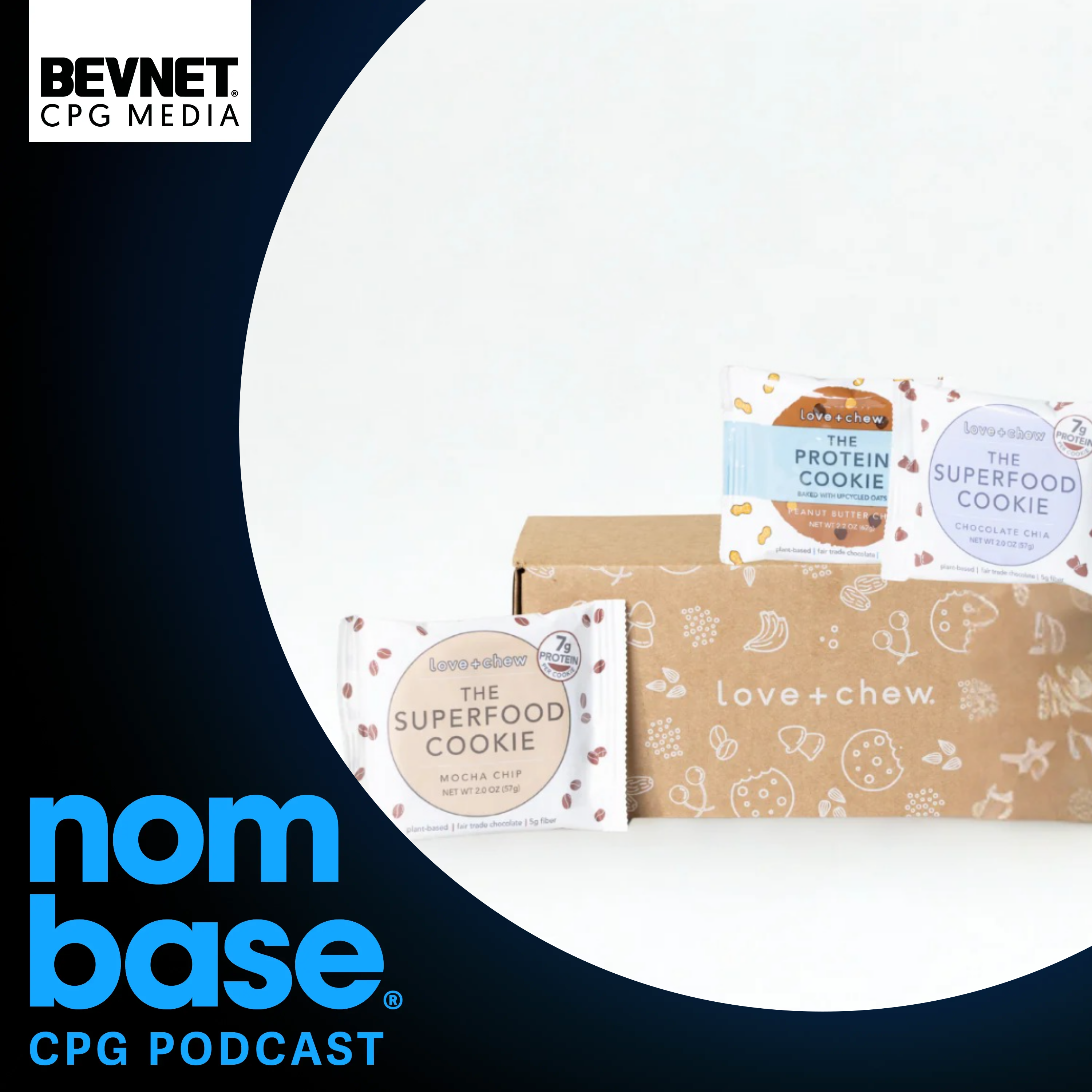
Getting onto retail shelves can feel like a big accomplishment—but what happens when strong velocity, national distribution, and real sales still don't add up to a profitable business?Lauren Chew of Love + Chew Superfood Cookies shares the story behind her decision to exit 2,500 retail doors through UNFI and KeHE—even with velocities buyers were happy with. Abby June Richards of The CPG CFO breaks down where the P&L falls apart for emerging brands and what founders need to understand about cash conversion cycles, trade spend, and channel-level profitability before signing a retailer contract. And Liana Krasnow of Noodo, a premium bone broth pasta sauce just 21 doors in, asks the questions every early-stage brand should be asking right now. You Will Learn:Why a brand can have great velocity and still be losing money on every caseThe hidden cash conversion cycle that can turn a modest monthly loss into a $3M cash problemHow to evaluate whether a specific retailer is actually a fit—before you sign anythingWhat trade spend really is, why it's not an operating expense, and how misreporting it can hurt you in due diligenceThe factors Lauren would weigh differently with her next brand, including shelf facings, direct shipping, and which retailers to avoid entirelyWhy regional, direct, and foodservice channels may deliver more profit than national distribution—and how to know when you're ready to scale
June 22, 202646 mins
As brands grow, it's easy to focus on the next retailer, the next marketing initiative, or the next distribution opportunity. But sustainable growth starts with a deeper understanding of your brand identity, who it's for, and what makes it truly different.In this episode, Eric Ramstad of Farmwell Drinks, Shaakira DeLoach of Ginja Snap, and brand strategist Kelly Criswell of Mudge to discuss how emerging brands can build around a niche, attract the right consumers, and create a foundation for long-term growth.From rebrands and packaging decisions to demos, consumer feedback, and community building, the conversation explores the questions founders should be asking as they refine their positioning and prepare to scale.You will learn:• How to identify the consumers most likely to become loyal customers• Why simplifying your messaging can strengthen your brand and improve consumer understanding• How to use demos and direct customer feedback to refine positioning and packaging• What creates meaningful differentiation when competitors can copy your ingredients or category• How to evaluate whether your current positioning can support future growth and expansion
June 16, 202639 mins
Getting ready for BevNet Live June 10–11 in New York City? Or on the fence? BevNet's Editor-in-Chief, Jeff Klineman, walks through a practical "how to do BevNet Live" guide — covering the agenda, key speakers, and how to make the most of every hour at the show.We cover:Tips on how to get the most out of networking, speaker presentations, 1:1 meetings with retailers and investors, and everything else at the showWhat you need to do at BevNET Live and what you can catch up on when you're back homeAgenda highlights from Athletic Brewing, Culture Pop, and Dirty Shirley on building without outpacing your businessRetail sessions with Walmart, Whole Foods, and Vitamin Shoppe on getting — and staying — on shelfFive investor-focused sessions including a term sheet tutorial and a former PepsiCo M&A leadThe delta-9 hemp category under the microscope as Congressional pressure threatens its futureEarly intel on AI and agentic commerce — what CPG brands need to do now before big players lock it inThere's still time to register at Bevnetlive.com - see you there!!
June 2, 202636 mins
Rachel Krupa, founder of The Goods Mart, shares what emerging CPG brands can learn from small format retail, curated placements, and real shopper behavior. She also breaks down the reopening of The Goods Mart in Brooklyn, a new South Williamsburg location with double the space, expanded grab and go, frozen, pantry, beauty, home, vintage snack finds, and a front row view into what consumers actually buy.You will learn:How small format retail can help brands test packaging, price, and positioningWhy taste and founder hustle matter more than launch hypeHow placement at small format retail stores can lead to press, investors, and new accountsHow to think about hotels, offices, coffee shops, and other nontraditional channelsWhy operational readiness matters before expanding into new outletsHow to use customer feedback to understand what drives repeat purchase
May 27, 202633 mins
This conversation began as a Nombase webinar, and due to listener demand, we turned it into a podcast episode.In this episode, Evan Walther of Oceans walks through a discussion with Troy Bonde, co-founder and CEO of Sauz, William Hicks, CEO and co-founder of Magic Mind, and Ian Myers, founder of Oceans, on what really happens when a CPG brand moves from early traction into serious growth.They get into the messy middle between roughly $2M and $20M in revenue, when product market fit is real, but the team, cash flow, operations, and retail systems are suddenly under pressure.You will learn:• How Sauz handled a Target PO bigger than its lifetime revenue• Why founder bandwidth becomes the first real scaling bottleneck• How Magic Mind improved cash flow by renegotiating supplier terms• Why unit velocity matters more than top line revenue in retail• When to spend on packaging before paid marketing• How to use retail media, demos, and display to drive trial• Why early hiring mistakes can create more drag than leverage• How to know when your systems are breaking before your team doesIf your brand is working, but everything's starting to feel stretched, this episode will help you understand what's normal, what's avoidable, and what to fix before growth breaks the business.
May 19, 202655 mins
Chris Robb, founder of Supernatural Ventures and early investor in brands like Bachan’s, shares how he evaluates founders before revenue, what separates breakout brands from the rest, and what most CPG companies waste money too early.What founders will learn:• Why unit velocity matters more than total revenue in early retail growth• How to price your first fundraising round without hurting future raises• What kind of packaging is the one area early brands should overspend on• How to use retailers and store buyers as real world product validation before scaling• What Chris looks for in founders before investing pre-revenue capitalChris also breaks down how Supernatural Ventures approaches pre-seed investing, why he avoids heavy marketing spend early on, and how brands can build momentum organically before raising larger rounds.
May 13, 202651 mins
OpenSky Ventures has backed brands like Fishwife, Magic Mind, and Habiza, and is actively deploying capital into the next wave of innovative businesses. They focus on brands with early traction, strong customer loyalty, and clear potential to scale into lasting, differentiated brands.In this episode, Stephanie Nwokolo Hussey, Principal at OpenSky Ventures, breaks down exactly what they look for, how they evaluate founders, and how to know if your brand is a fit before you pitch.You will learn:• How to prove real brand strength through repeat rates, subscriptions, and early customer loyalty signals• What investors actually want in a deck, including must show metrics and common deal breaking mistakes• How to stay capital efficient by controlling marketing spend, supply chain costs, and team structure• How to build a go to market strategy using organic growth, community tactics, and customer first channels• How VCs separate real trends from hype using examples like protein demand and GLP 1 driven behavior shiftsIf you are a food or beverage founder thinking about raising, this episode will help you quickly understand whether Open Sky should be on your target list.
May 6, 202641 mins
Landing a major retail account can change a brand overnight, but only if the operational foundation is ready to support it. Join Paul Verdu and Mitch Wedemeier from Octopi, a co-manufacturing partner backed by Asahi Group, to break down what really happens when brands scale into large national and club retailers. You'll learn:• Why landing a retailer like Costco or Target often creates a 90 to 180 day production sprint and what must happen within that window• The critical documentation required including specs, certifications, and material data to enable a smooth transition between co manufacturers• How differences in co-manufacturer equipment and capabilities impact product quality, timelines, and scalability• Common surprises around packaging, lead times, and retailer requirements and how to plan for them early• How to balance forecasting, inventory risk, and production flexibility to avoid stockouts amid unpredictable reorder cycles
April 29, 202647 mins