Landing a major retail account can change a brand overnight, but only if the operational foundation is ready to support it. Join Paul Verdu and Mitch Wedemeier from Octopi, a co-manufacturing partner backed by Asahi Group, to break down what really happens when brands scale into large national and club retailers. You'll learn:• Why landing a retailer like Costco or Target often creates a 90 to 180 day production sprint and what must happen within that window• The critical documentation required including specs, certifications, and material data to enable a smooth transition between co manufacturers• How differences in co-manufacturer equipment and capabilities impact product quality, timelines, and scalability• Common surprises around packaging, lead times, and retailer requirements and how to plan for them early• How to balance forecasting, inventory risk, and production flexibility to avoid stockouts amid unpredictable reorder cycles
April 29, 202647 mins
Yuka is increasingly influencing what gets bought and what gets put back at shelf, with millions of consumers using it in real time while they shop. In this episode, we’re joined by Gabriella Sebag-Weingrad, who leads Yuka’s US business, to break down how it all works and what it means for food and beverage brands trying to stay competitive. For founders, understanding Yuka is no longer optional, it’s a competitive advantage.How Yuka’s scoring system actually works and which ingredients can instantly cap your score or drag it downThe specific additives and formulation choices most likely to get your product put back at shelfWhat happens after a scan, including when consumers switch, trade up, or abandon products entirelyHow brands are reformulating in response and what they’re removing without replacingWays to improve your score without destroying margin, taste, or shelf lifeHow to turn Yuka from a risk into a growth lever by positioning your product as the winning alternative
April 20, 202645 mins
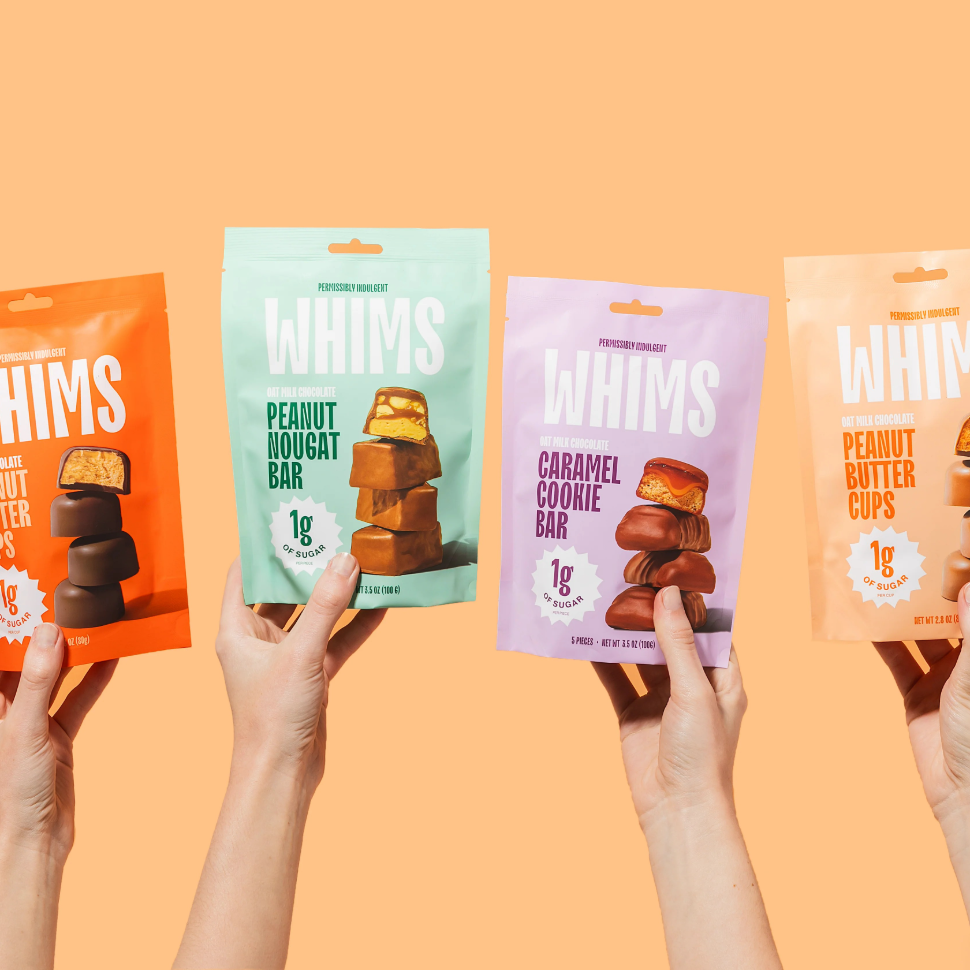
Growth is exciting, until your operations start pushing back.Many founders try to solve this by working harder, producing more, or expanding faster. But the brands that actually scale learn a different lesson: at some point, you have to stop forcing it and start building systems that work with your business, not against it.In this Nombase podcast, Dirty Gut founder Daniel Berlin sits down with Jesse Barruch, co-founder of Whims, to get some advice on how to navigate that shift without breaking your business.Find out:How to know when you're forcing growth instead of building real scaleHow to schedule smaller production runs early to save you from costly mistakes laterHow to approach co-manufacturer selection and avoid the wrong partnersWhat to track when you have little to no data and how to build useful systems over timeHow to think about inventory, forecasting, and demand planning in the early stagesThe operational problems that only reveal themselves as you growHow to decide what to handle yourself and what to outsource as a founderThe tradeoffs between control, cost, and efficiency in your operationsHow to structure your time around high impact work that actually drives growthWhy your vision for the business should guide every operational decision you make
April 15, 202642 mins

Expanding beyond the US is one of the biggest growth opportunities for CPG brands, and one of the easiest ways to get wrong.
In this episode, Ruth Fittock, managing partner of Tomorrow Brands, breaks down what it actually takes to launch successfully in the UK, a market worth billions in annual food and beverage sales. Drawing on experience with brands like Vitamin Water, PopChips, and Harmless Harvest, she shares what separates brands that scale from those that stall.
This conversation goes far beyond geography. It’s a deep dive into assessing true product market fit, identifying category white space, and determining if your brand is actually ready to scale. It also covers how to pace retail expansion, build demand before distribution, navigate strict regulations, and adapt positioning for a more skeptical consumer. Whether or not global expansion is on your roadmap, you’ll hear practical information to help build a brand that can win anywhere.
March 24, 202647 mins

Expo West is a massive event, and it can take weeks to fully process what you saw and what it actually means. There is a lot of noise, but if you look closely, the real signals start to emerge and point to where the industry is headed next. In this episode, we sit down with Sherry Frey of NielsenIQ to make sense of it all through the lens of real consumer data. We break down what is really happening with protein and how consumers are thinking about it in their diets, why regenerative and transparent sourcing are gaining traction, which flavor trends are sticking, and how the ongoing GLP 1 conversation is reshaping product design around satiety and nutrient density.
March 17, 202648 mins
In today’s CPG landscape, profitability isn’t always the first milestone founders should focus on. As capital markets and deal structures, investors and acquirers are often looking for something earlier in a brand’s lifecycle: clear product market fit, strong velocity, and the potential to scale efficiently. In this episode, Ryan Williams, founder of Northall and creator of the Fabid deal database shares what recent investment and acquisition activity reveals about how value is actually being built in food and beverage CPG. Together they explore why some brands attract premium valuations while others struggle to raise, how founders should think about capital efficiency, and what recent exits say about the paths companies take to reach a successful outcome.
March 10, 202650 mins
What happens when three CPG investors decide to build a brand themselves?
Kiva Dickinson of Selva Ventures joins fellow cadootz! cofounders Jordan Carpenter and Rachel Mansfield, all seasoned CPG investors, with Rachel also bringing her perspective as a leading creator, to share how experienced industry insiders launch differently. They break down how they defined their non negotiables before formulation, modeled margins and profitability from day one, and avoided common pricing and channel strategy mistakes.
The cadootz! team also unpacks key decisions around manufacturing, reformulation for scale, retail sequencing, capital discipline, and building real demand through community before hitting shelves.
February 24, 202649 mins
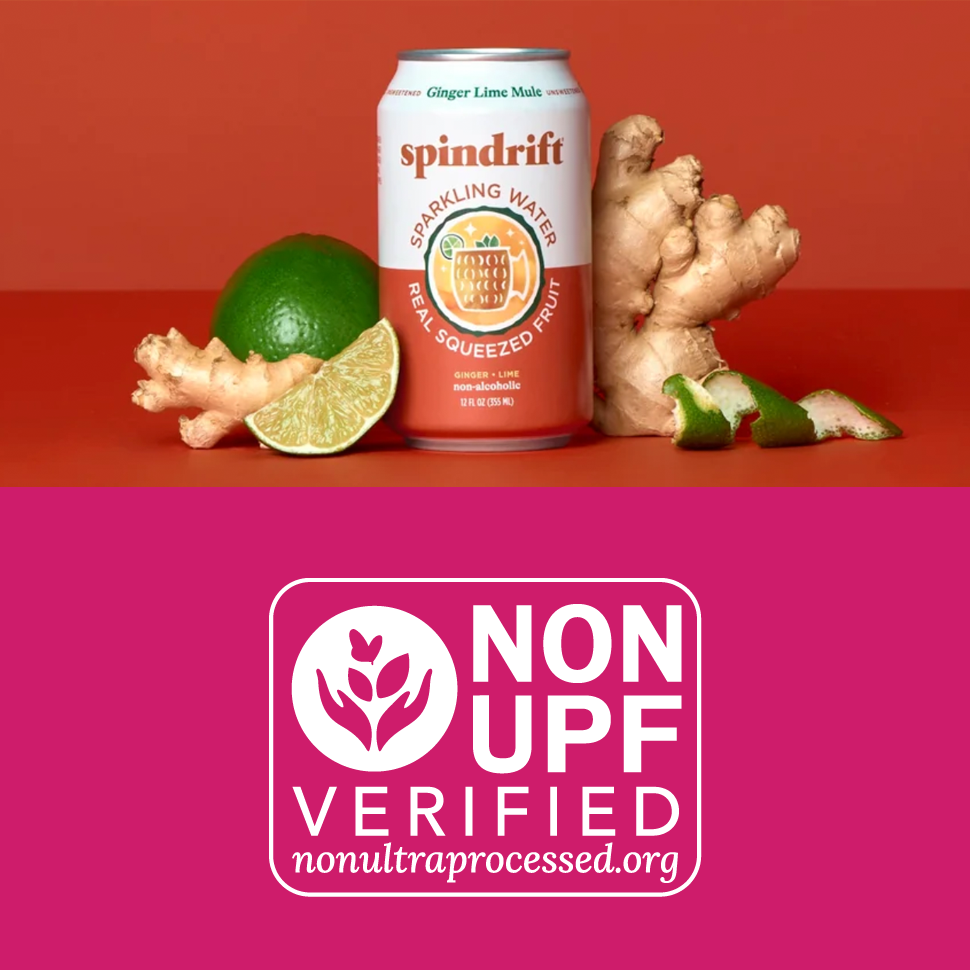
Ultra-processed foods are facing growing pressure from policymakers, retailers, and consumers who are rethinking what belongs on shelf and in their carts.
In this episode, Bill Creelman, Founder of Spindrift, and Megan Westgate, Founder of the Non-UPF Verified program and the Non GMO Project, discuss a new certification designed to evaluate both ingredient integrity and how products are actually made.
Spindrift recently became the first beverage brand verified under the Non-UPF standard. Bill shares what the verification process required behind the scenes, how sourcing and manufacturing decisions affect certification, and why it offers a clearer way to communicate long standing formulation choices. Megan explains how the standard works, including limits on added refined sugar, a ban on non-nutritive sweeteners, restrictions on refined oils and gums, and why most shoppers say they want to avoid ultra processed foods but don't know how to identify them.
February 17, 202649 mins
Health is no longer just a marketing claim. It is becoming part of how retailers evaluate products, guide shoppers, and shape category growth.
Kroger’s rollout of a new health scoring system powered by FoodHealth reflects this shift. In this episode, Laura Brown, Director of Nutrition at Kroger, and Sam Citro Alexander, founder of FoodHealth, break down how the system works, why Kroger adopted it, and what it means for brands building at retail.
Founders and operators will learn how the FoodHealth Score is calculated, how nutrient density and ingredient quality factor into evaluations, how health scores appear across Kroger’s digital and in store experiences, and how Kroger buyers use health data at the category level to influence shopper discovery, buyer and merchandising decisions, and long term growth.
February 10, 202647 mins
If you spend tens of thousands of dollars to exhibit to be at Expo West but get swallowed up by the noise, was it even worth being there at all?
In this episode, Marty Caballero and Mike Schneider from BevNET CPG Media talk about why some brands leave Expo West with real momentum while others quietly fade into the background. They break down how media coverage is planned, why timing matters, what is actually worth announcing, and how early decisions shape booth traffic and buyer awareness.
We'll focus on the simple planning most brands skip and how taking care of it ahead of time can help you walk into Expo already a step ahead.
February 3, 202638 mins
Supply chains continue to be unpredictable post-pandemic due to tariffs, environmental factors, and ongoing global trade volatility. Costs shift quickly, availability can tighten without warning, and decisions that feel like they should be routine carry real risk for food and beverage brands.
Hear the inside scoop on what's happening and how to secure your supply chain with Beth Brown, David van Wees, and Tim Near from Agrowgate, a strategic sourcing and supply chain partner for CPG brands. They'll uncover where hidden risk is showing up in ingredients and packaging, how brands can build flexibility into sourcing and inventory strategies, and what teams should be focusing on now to protect margins and avoid costly disruptions.
January 27, 202644 mins
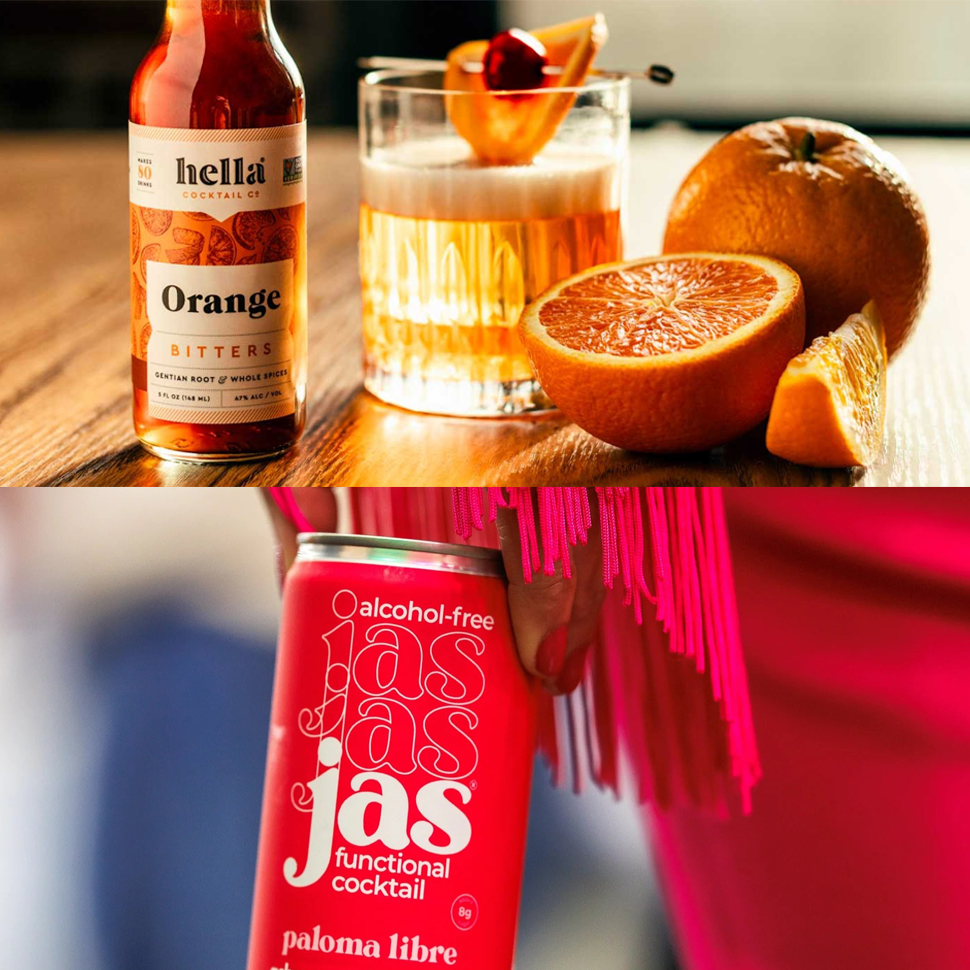
Getting into Whole Foods Market is a major milestone, but it's only the beginning. What follows is the work of proving velocity, maintaining placement, and deciding when and how to grow beyond your first region.
In this episode, Cecilia Rios Murrieta, co-founder of JAS alcohol free functional cocktails, and Jomaree Pinkard, co-founder of Hella Cocktail Co, share what it really takes to grow inside Whole Foods Market. Cecilia discusses JAS launch in ninety five stores through a regional program and the reality of staying on shelf, while Jomaree shares advice based on Hella's journey from regional placement to national distribution.
Cecilia and Jomaree discuss the demos, merchandising, distribution strategy, innovation timing, promo decisions, and navigating buyer relationships to pave the way from regional to national growth.
January 13, 202642 mins