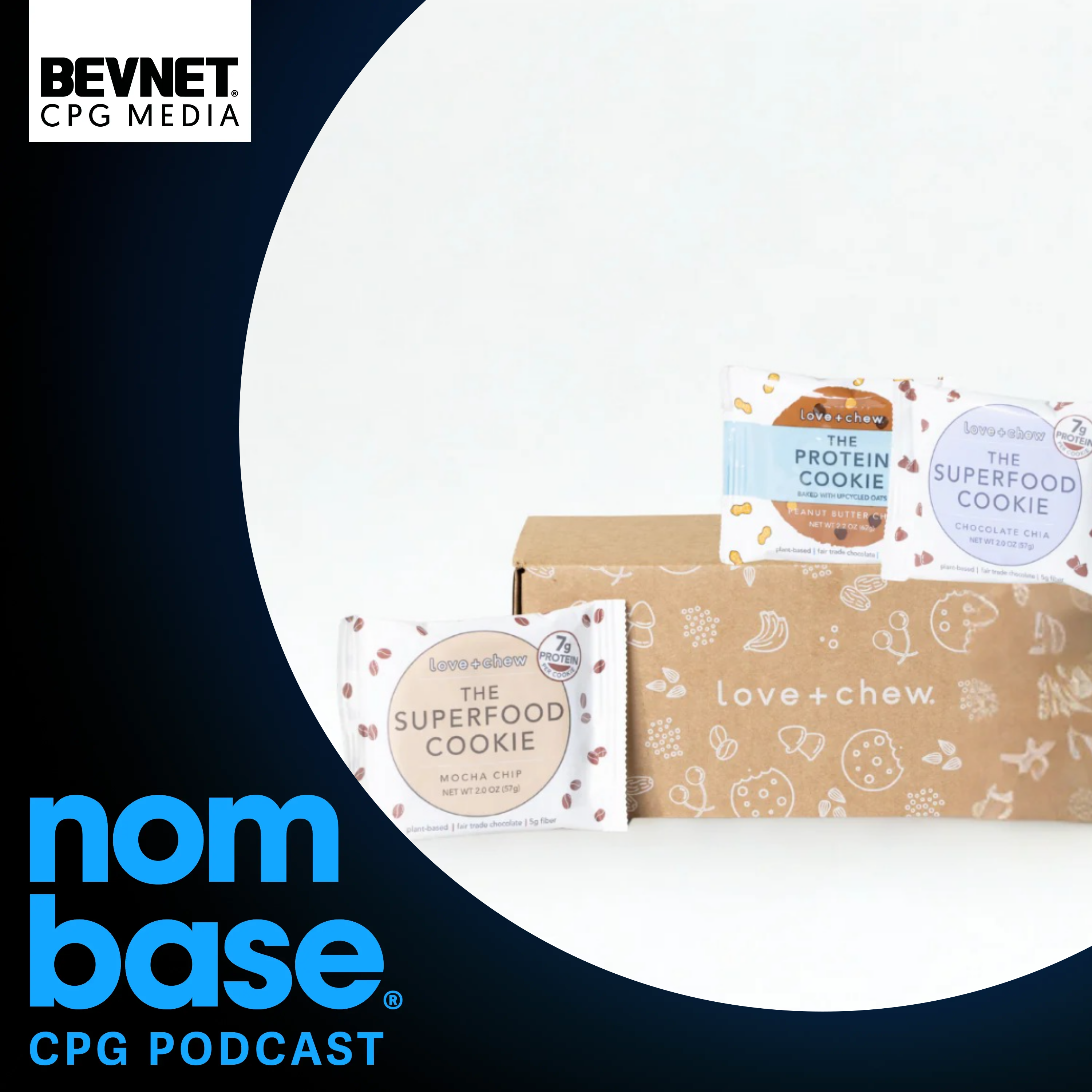
Getting onto retail shelves can feel like a big accomplishment—but what happens when strong velocity, national distribution, and real sales still don't add up to a profitable business?Lauren Chew of Love + Chew Superfood Cookies shares the story behind her decision to exit 2,500 retail doors through UNFI and KeHE—even with velocities buyers were happy with. Abby June Richards of The CPG CFO breaks down where the P&L falls apart for emerging brands and what founders need to understand about cash conversion cycles, trade spend, and channel-level profitability before signing a retailer contract. And Liana Krasnow of Noodo, a premium bone broth pasta sauce just 21 doors in, asks the questions every early-stage brand should be asking right now. You Will Learn:Why a brand can have great velocity and still be losing money on every caseThe hidden cash conversion cycle that can turn a modest monthly loss into a $3M cash problemHow to evaluate whether a specific retailer is actually a fit—before you sign anythingWhat trade spend really is, why it's not an operating expense, and how misreporting it can hurt you in due diligenceThe factors Lauren would weigh differently with her next brand, including shelf facings, direct shipping, and which retailers to avoid entirelyWhy regional, direct, and foodservice channels may deliver more profit than national distribution—and how to know when you're ready to scale
June 22, 202646 mins
As brands grow, it's easy to focus on the next retailer, the next marketing initiative, or the next distribution opportunity. But sustainable growth starts with a deeper understanding of your brand identity, who it's for, and what makes it truly different.In this episode, Eric Ramstad of Farmwell Drinks, Shaakira DeLoach of Ginja Snap, and brand strategist Kelly Criswell of Mudge to discuss how emerging brands can build around a niche, attract the right consumers, and create a foundation for long-term growth.From rebrands and packaging decisions to demos, consumer feedback, and community building, the conversation explores the questions founders should be asking as they refine their positioning and prepare to scale.You will learn:• How to identify the consumers most likely to become loyal customers• Why simplifying your messaging can strengthen your brand and improve consumer understanding• How to use demos and direct customer feedback to refine positioning and packaging• What creates meaningful differentiation when competitors can copy your ingredients or category• How to evaluate whether your current positioning can support future growth and expansion
June 16, 202639 mins
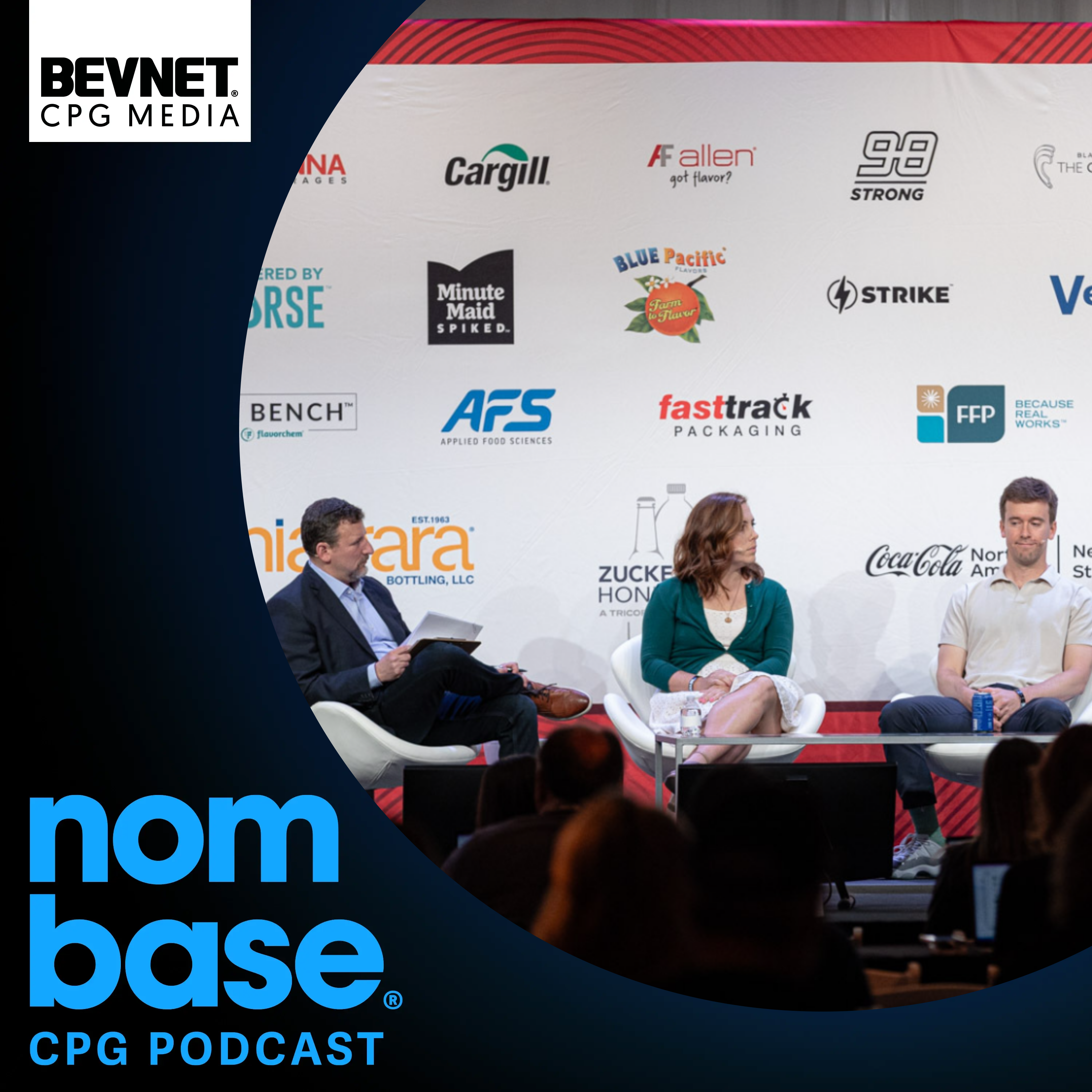
Getting ready for BevNet Live June 10–11 in New York City? Or on the fence? BevNet's Editor-in-Chief, Jeff Klineman, walks through a practical "how to do BevNet Live" guide — covering the agenda, key speakers, and how to make the most of every hour at the show.We cover:Tips on how to get the most out of networking, speaker presentations, 1:1 meetings with retailers and investors, and everything else at the showWhat you need to do at BevNET Live and what you can catch up on when you're back homeAgenda highlights from Athletic Brewing, Culture Pop, and Dirty Shirley on building without outpacing your businessRetail sessions with Walmart, Whole Foods, and Vitamin Shoppe on getting — and staying — on shelfFive investor-focused sessions including a term sheet tutorial and a former PepsiCo M&A leadThe delta-9 hemp category under the microscope as Congressional pressure threatens its futureEarly intel on AI and agentic commerce — what CPG brands need to do now before big players lock it inThere's still time to register at Bevnetlive.com - see you there!!
June 2, 202636 mins
Rachel Krupa, founder of The Goods Mart, shares what emerging CPG brands can learn from small format retail, curated placements, and real shopper behavior. She also breaks down the reopening of The Goods Mart in Brooklyn, a new South Williamsburg location with double the space, expanded grab and go, frozen, pantry, beauty, home, vintage snack finds, and a front row view into what consumers actually buy.You will learn:How small format retail can help brands test packaging, price, and positioningWhy taste and founder hustle matter more than launch hypeHow placement at small format retail stores can lead to press, investors, and new accountsHow to think about hotels, offices, coffee shops, and other nontraditional channelsWhy operational readiness matters before expanding into new outletsHow to use customer feedback to understand what drives repeat purchase
May 27, 202633 mins
This conversation began as a Nombase webinar, and due to listener demand, we turned it into a podcast episode.In this episode, Evan Walther of Oceans walks through a discussion with Troy Bonde, co-founder and CEO of Sauz, William Hicks, CEO and co-founder of Magic Mind, and Ian Myers, founder of Oceans, on what really happens when a CPG brand moves from early traction into serious growth.They get into the messy middle between roughly $2M and $20M in revenue, when product market fit is real, but the team, cash flow, operations, and retail systems are suddenly under pressure.You will learn:• How Sauz handled a Target PO bigger than its lifetime revenue• Why founder bandwidth becomes the first real scaling bottleneck• How Magic Mind improved cash flow by renegotiating supplier terms• Why unit velocity matters more than top line revenue in retail• When to spend on packaging before paid marketing• How to use retail media, demos, and display to drive trial• Why early hiring mistakes can create more drag than leverage• How to know when your systems are breaking before your team doesIf your brand is working, but everything's starting to feel stretched, this episode will help you understand what's normal, what's avoidable, and what to fix before growth breaks the business.
May 19, 202655 mins
Chris Robb, founder of Supernatural Ventures and early investor in brands like Bachan’s, shares how he evaluates founders before revenue, what separates breakout brands from the rest, and what most CPG companies waste money too early.What founders will learn:• Why unit velocity matters more than total revenue in early retail growth• How to price your first fundraising round without hurting future raises• What kind of packaging is the one area early brands should overspend on• How to use retailers and store buyers as real world product validation before scaling• What Chris looks for in founders before investing pre-revenue capitalChris also breaks down how Supernatural Ventures approaches pre-seed investing, why he avoids heavy marketing spend early on, and how brands can build momentum organically before raising larger rounds.
May 13, 202651 mins
OpenSky Ventures has backed brands like Fishwife, Magic Mind, and Habiza, and is actively deploying capital into the next wave of innovative businesses. They focus on brands with early traction, strong customer loyalty, and clear potential to scale into lasting, differentiated brands.In this episode, Stephanie Nwokolo Hussey, Principal at OpenSky Ventures, breaks down exactly what they look for, how they evaluate founders, and how to know if your brand is a fit before you pitch.You will learn:• How to prove real brand strength through repeat rates, subscriptions, and early customer loyalty signals• What investors actually want in a deck, including must show metrics and common deal breaking mistakes• How to stay capital efficient by controlling marketing spend, supply chain costs, and team structure• How to build a go to market strategy using organic growth, community tactics, and customer first channels• How VCs separate real trends from hype using examples like protein demand and GLP 1 driven behavior shiftsIf you are a food or beverage founder thinking about raising, this episode will help you quickly understand whether Open Sky should be on your target list.
May 6, 202641 mins
Landing a major retail account can change a brand overnight, but only if the operational foundation is ready to support it. Join Paul Verdu and Mitch Wedemeier from Octopi, a co-manufacturing partner backed by Asahi Group, to break down what really happens when brands scale into large national and club retailers. You'll learn:• Why landing a retailer like Costco or Target often creates a 90 to 180 day production sprint and what must happen within that window• The critical documentation required including specs, certifications, and material data to enable a smooth transition between co manufacturers• How differences in co-manufacturer equipment and capabilities impact product quality, timelines, and scalability• Common surprises around packaging, lead times, and retailer requirements and how to plan for them early• How to balance forecasting, inventory risk, and production flexibility to avoid stockouts amid unpredictable reorder cycles
April 29, 202647 mins
Yuka is increasingly influencing what gets bought and what gets put back at shelf, with millions of consumers using it in real time while they shop. In this episode, we’re joined by Gabriella Sebag-Weingrad, who leads Yuka’s US business, to break down how it all works and what it means for food and beverage brands trying to stay competitive. For founders, understanding Yuka is no longer optional, it’s a competitive advantage.How Yuka’s scoring system actually works and which ingredients can instantly cap your score or drag it downThe specific additives and formulation choices most likely to get your product put back at shelfWhat happens after a scan, including when consumers switch, trade up, or abandon products entirelyHow brands are reformulating in response and what they’re removing without replacingWays to improve your score without destroying margin, taste, or shelf lifeHow to turn Yuka from a risk into a growth lever by positioning your product as the winning alternative
April 20, 202645 mins
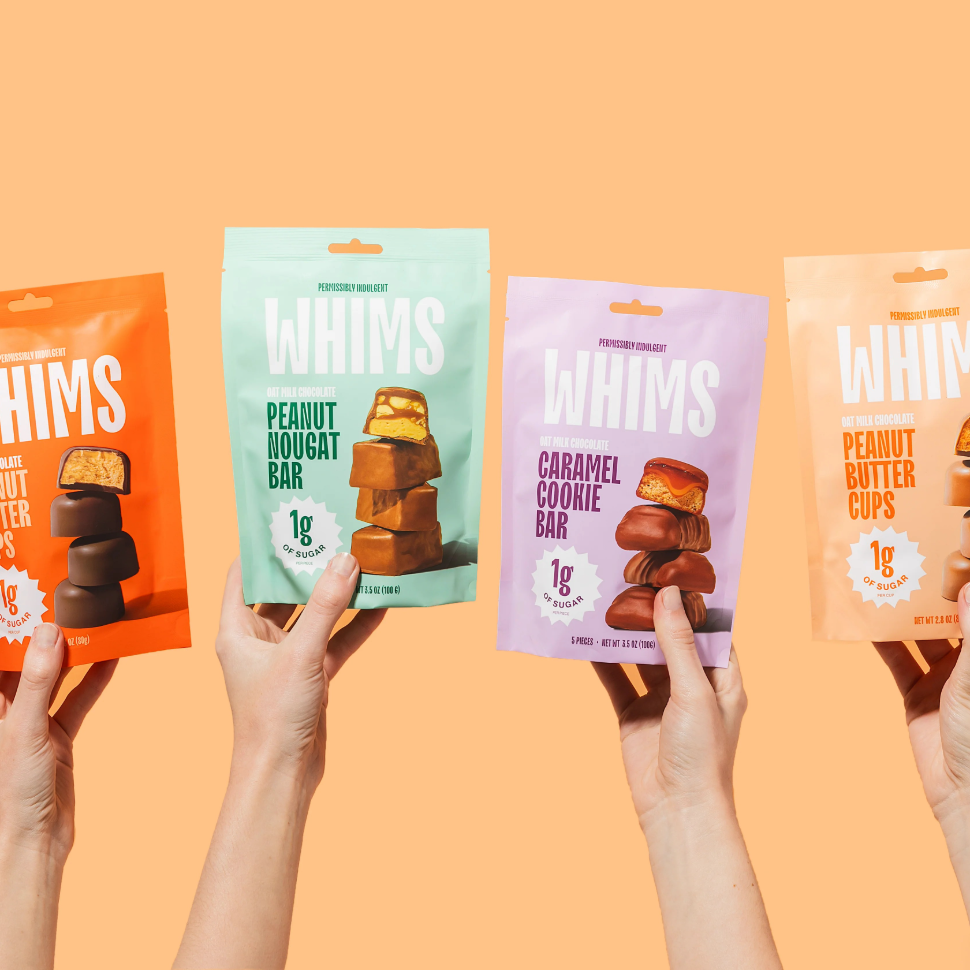
Growth is exciting, until your operations start pushing back.Many founders try to solve this by working harder, producing more, or expanding faster. But the brands that actually scale learn a different lesson: at some point, you have to stop forcing it and start building systems that work with your business, not against it.In this Nombase podcast, Dirty Gut founder Daniel Berlin sits down with Jesse Barruch, co-founder of Whims, to get some advice on how to navigate that shift without breaking your business.Find out:How to know when you're forcing growth instead of building real scaleHow to schedule smaller production runs early to save you from costly mistakes laterHow to approach co-manufacturer selection and avoid the wrong partnersWhat to track when you have little to no data and how to build useful systems over timeHow to think about inventory, forecasting, and demand planning in the early stagesThe operational problems that only reveal themselves as you growHow to decide what to handle yourself and what to outsource as a founderThe tradeoffs between control, cost, and efficiency in your operationsHow to structure your time around high impact work that actually drives growthWhy your vision for the business should guide every operational decision you make
April 15, 202642 mins
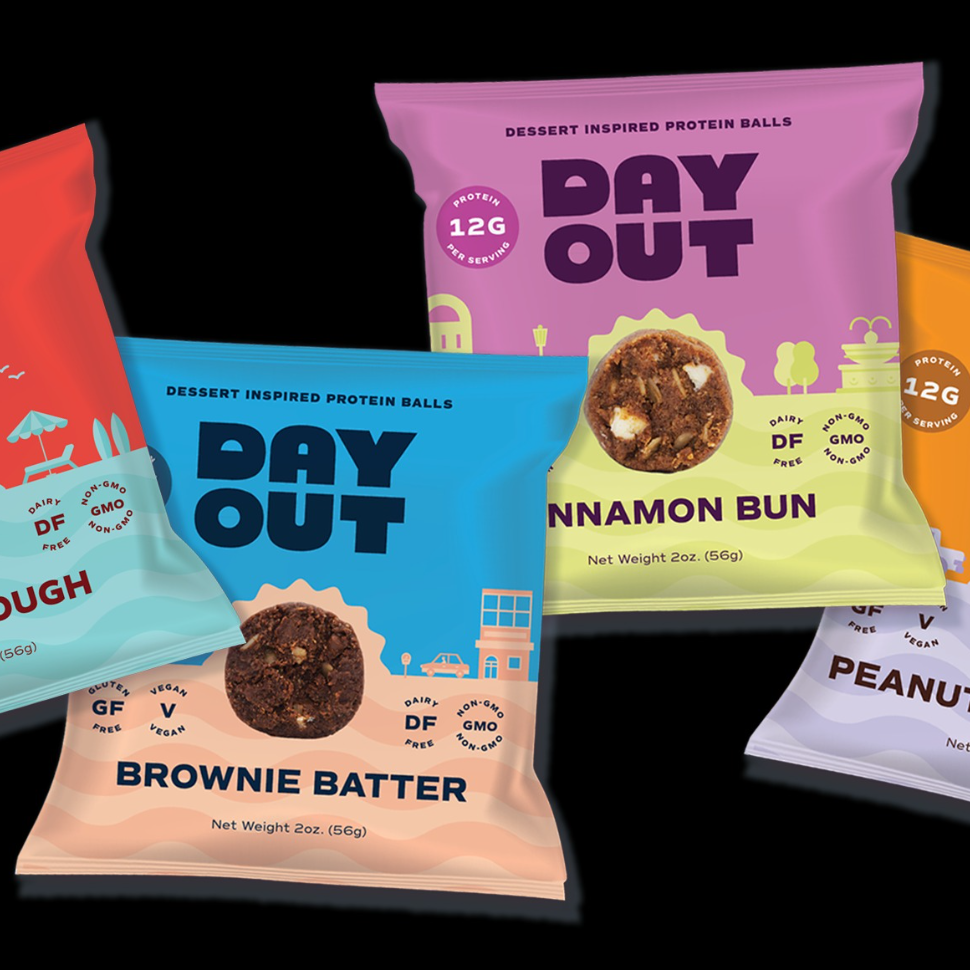
After raising capital, most founders feel like they have finally unlocked the ability to grow. But what you do next can determine whether that capital creates momentum or quietly sets your business back.In this episode, Day Out Snacks founder Becky Pleat sits down with Phil Trowler, former finance lead at Olipop, to discuss the specifics on how early stage CPG brands should actually think about deploying capital, building financial discipline, and preparing for what comes next.You will learn:The most expensive mistake founders make right after raising capitalWhy expanding into more retail doors too early can hurt your businessHow to prioritize velocity over distribution when deploying capitalWhat burn rate and contribution margin actually mean in practiceThe key financial metrics every founder should know weeklyHow to think about fundraising timing, milestones, and dilutionWhat strong unit economics look like and how to improve them over timeThe difference between scaling your business and just getting biggerWhen to invest in people versus systems as your company growsHow profitability changes your leverage in fundraising conversationsMake smarter decisions with your capital and avoid costly mistakes early!
April 8, 202647 mins
Building a great product is not enough, especially in a category that actively works against you.In this episode, Ayeshah Abuelhiga of Mason Dixie joins Hey!Hunger's Shireen Khera to talk about what it actually takes to win in one of the toughest environments in grocery. From getting customers to physically find your product to navigating low awareness, inconsistent merchandising, and long repurchase cycles, you'll see behind the scenes into the real work behind building a brand that sells: What it actually takes to get customers to find, try, and buy your product in a challenging categoryWhy getting on shelf is only the beginning and how to actively drive demand through demos, local marketing, and constant presenceWhy early brands should prioritize velocity and depth over expanding into more doors and how to know when you are truly ready to growHow to think about distribution, brokers, and expansion so you don't outgrow your ability to support the businessHow to understand your customer in a way that drives decisions on ingredients, pricing, and marginsHow to win the long game of building a brand in a category with high costs and slow repurchase cyclesWhether you are in frozen or any competitive category, you'll learn what it really takes to turn early traction into real, lasting growth.
March 31, 202644 mins
Expanding beyond the US is one of the biggest growth opportunities for CPG brands, and one of the easiest ways to get wrong.
In this episode, Ruth Fittock, managing partner of Tomorrow Brands, breaks down what it actually takes to launch successfully in the UK, a market worth billions in annual food and beverage sales. Drawing on experience with brands like Vitamin Water, PopChips, and Harmless Harvest, she shares what separates brands that scale from those that stall.
This conversation goes far beyond geography. It’s a deep dive into assessing true product market fit, identifying category white space, and determining if your brand is actually ready to scale. It also covers how to pace retail expansion, build demand before distribution, navigate strict regulations, and adapt positioning for a more skeptical consumer. Whether or not global expansion is on your roadmap, you’ll hear practical information to help build a brand that can win anywhere.
March 24, 202647 mins

Expo West is a massive event, and it can take weeks to fully process what you saw and what it actually means. There is a lot of noise, but if you look closely, the real signals start to emerge and point to where the industry is headed next. In this episode, we sit down with Sherry Frey of NielsenIQ to make sense of it all through the lens of real consumer data. We break down what is really happening with protein and how consumers are thinking about it in their diets, why regenerative and transparent sourcing are gaining traction, which flavor trends are sticking, and how the ongoing GLP 1 conversation is reshaping product design around satiety and nutrient density.
March 17, 202648 mins
In today’s CPG landscape, profitability isn’t always the first milestone founders should focus on. As capital markets and deal structures, investors and acquirers are often looking for something earlier in a brand’s lifecycle: clear product market fit, strong velocity, and the potential to scale efficiently. In this episode, Ryan Williams, founder of Northall and creator of the Fabid deal database shares what recent investment and acquisition activity reveals about how value is actually being built in food and beverage CPG. Together they explore why some brands attract premium valuations while others struggle to raise, how founders should think about capital efficiency, and what recent exits say about the paths companies take to reach a successful outcome.
March 10, 202650 mins

Expo West 2026 is here and the BevNET and NOSH team is sharing what's at the top of their hit list. Managing editors Martín Caballero and Monica Watrous break down the biggest trends they expect to see on the show floor, from protein and fiber trends, to seed oil free formulations, regenerative ingredients, functional fatigue, GLP-1 friendly products, nostalgic flavors, and more. Can't wait to see you all at the show!!
March 2, 202633 mins
What happens when three CPG investors decide to build a brand themselves?
Kiva Dickinson of Selva Ventures joins fellow cadootz! cofounders Jordan Carpenter and Rachel Mansfield, all seasoned CPG investors, with Rachel also bringing her perspective as a leading creator, to share how experienced industry insiders launch differently. They break down how they defined their non negotiables before formulation, modeled margins and profitability from day one, and avoided common pricing and channel strategy mistakes.
The cadootz! team also unpacks key decisions around manufacturing, reformulation for scale, retail sequencing, capital discipline, and building real demand through community before hitting shelves.
February 24, 202649 mins
Ultra-processed foods are facing growing pressure from policymakers, retailers, and consumers who are rethinking what belongs on shelf and in their carts.
In this episode, Bill Creelman, Founder of Spindrift, and Megan Westgate, Founder of the Non-UPF Verified program and the Non GMO Project, discuss a new certification designed to evaluate both ingredient integrity and how products are actually made.
Spindrift recently became the first beverage brand verified under the Non-UPF standard. Bill shares what the verification process required behind the scenes, how sourcing and manufacturing decisions affect certification, and why it offers a clearer way to communicate long standing formulation choices. Megan explains how the standard works, including limits on added refined sugar, a ban on non-nutritive sweeteners, restrictions on refined oils and gums, and why most shoppers say they want to avoid ultra processed foods but don't know how to identify them.
February 17, 202649 mins
You may have a winning beverage you perfected in your kitchen or sell at the farmer’s market, but it’s a long road to making it work at scale. In this episode, MSI Express leaders Chuck Woods and Greg Schildmeyer share what it really takes to turn a bold idea into a profitable, manufacturable product. They’ll reveal how to avoid costly formulation and packaging mistakes, when to consider formats like stick packs versus liquids, and which trends actually have staying power. Plus, find out why aligning innovation with production reality is the key to building beverages that last. This episode is a paid collaboration with MSI Express.
February 13, 202645 mins
Health is no longer just a marketing claim. It is becoming part of how retailers evaluate products, guide shoppers, and shape category growth.
Kroger’s rollout of a new health scoring system powered by FoodHealth reflects this shift. In this episode, Laura Brown, Director of Nutrition at Kroger, and Sam Citro Alexander, founder of FoodHealth, break down how the system works, why Kroger adopted it, and what it means for brands building at retail.
Founders and operators will learn how the FoodHealth Score is calculated, how nutrient density and ingredient quality factor into evaluations, how health scores appear across Kroger’s digital and in store experiences, and how Kroger buyers use health data at the category level to influence shopper discovery, buyer and merchandising decisions, and long term growth.
February 10, 202647 mins

If you spend tens of thousands of dollars to exhibit to be at Expo West but get swallowed up by the noise, was it even worth being there at all?
In this episode, Marty Caballero and Mike Schneider from BevNET CPG Media talk about why some brands leave Expo West with real momentum while others quietly fade into the background. They break down how media coverage is planned, why timing matters, what is actually worth announcing, and how early decisions shape booth traffic and buyer awareness.
We'll focus on the simple planning most brands skip and how taking care of it ahead of time can help you walk into Expo already a step ahead.
February 3, 202638 mins
Supply chains continue to be unpredictable post-pandemic due to tariffs, environmental factors, and ongoing global trade volatility. Costs shift quickly, availability can tighten without warning, and decisions that feel like they should be routine carry real risk for food and beverage brands.
Hear the inside scoop on what's happening and how to secure your supply chain with Beth Brown, David van Wees, and Tim Near from Agrowgate, a strategic sourcing and supply chain partner for CPG brands. They'll uncover where hidden risk is showing up in ingredients and packaging, how brands can build flexibility into sourcing and inventory strategies, and what teams should be focusing on now to protect margins and avoid costly disruptions.
January 27, 202644 mins

It has been a whirlwind year for food and beverage brands, with lawsuits, heightened regulatory scrutiny, and shifting rules creating real uncertainty across the industry. Justin Prochnow, a shareholder at Greenberg Traurig who advises food, beverage, and consumer brands on regulatory compliance and litigation risk, joins us to help make sense of what’s happening and how brands should respond. In this conversation, Justin breaks down the key legal and regulatory developments shaping 2025 and what brands need to be watching as they head into 2026, including ultra processed food scrutiny, GMO and bioengineered labeling following a recent Ninth Circuit decision, FDA attention on self affirmed GRAS and health related claims, protein and GLP one positioning, ingredient enforcement trends, and how state and federal priorities may shift under a new administration.
January 20, 20261 min
Getting into Whole Foods Market is a major milestone, but it's only the beginning. What follows is the work of proving velocity, maintaining placement, and deciding when and how to grow beyond your first region.
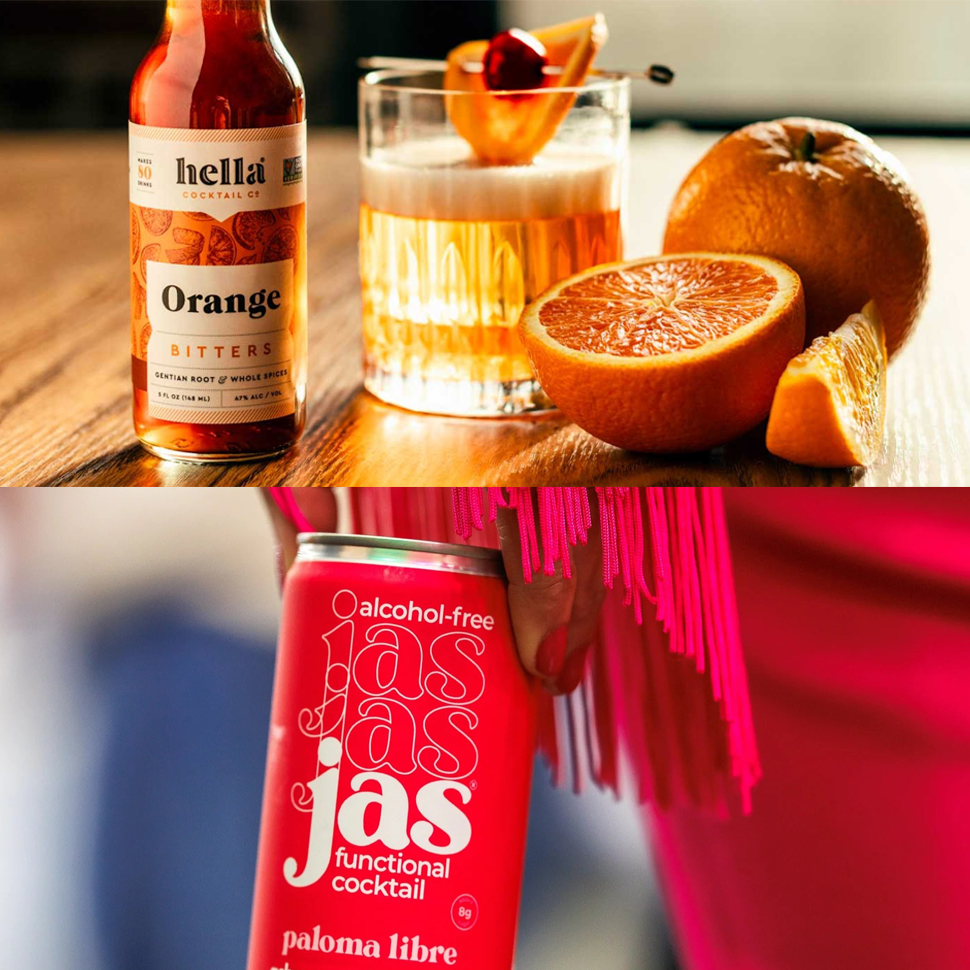
In this episode, Cecilia Rios Murrieta, co-founder of JAS alcohol free functional cocktails, and Jomaree Pinkard, co-founder of Hella Cocktail Co, share what it really takes to grow inside Whole Foods Market. Cecilia discusses JAS launch in ninety five stores through a regional program and the reality of staying on shelf, while Jomaree shares advice based on Hella's journey from regional placement to national distribution.
Cecilia and Jomaree discuss the demos, merchandising, distribution strategy, innovation timing, promo decisions, and navigating buyer relationships to pave the way from regional to national growth.
January 13, 202642 mins

Scroll through LinkedIn and it can feel like everyone is winning. Skyrocketing growth charts, big announcements, nonstop momentum, and yes, even the cold plunges. Even when you know it's curated, the pressure can still feel very real.
In this episode of the Nombase podcast, wo seasoned CPG leaders cut through that noise with an honest and vulnerable conversation about what building a career and a company actually looks like. Karen Goldscher, founder of Karen Goldscher Coaching and former leader at Annie’s, Chobani, and Ben and Jerry’s, joins Dan Stangler, President and CEO of Kite Hill and former executive at Brew Dr. and General Mills.
Together, they talk candidly about burnout, confidence, and the behind the scenes decisions that rarely get shared. Find out why honest feedback, clear boundaries, and genuine human connection are essential to sustainable growth.
January 7, 202652 mins
Private label has become one of the most prominent forces shaping CPG retail today. As retailers face margin pressure, shifting consumer behavior, and increased competition, store brands are no longer an add on. They are a core strategic priority.
We are rerunning this episode with Kim Greenfeld - formerly of Trader Joe's and Whole Foods Market, now founder of Campo Verde Solutions. Kim will explain private label business from the retailer’s side to help brands understand how and why these decisions are made. You'll hear about how private label plays in assortment strategy, margin management, data ownership, and customer loyalty, and what that means for national and emerging CPG brands competing for shelf space.
December 30, 202541 mins
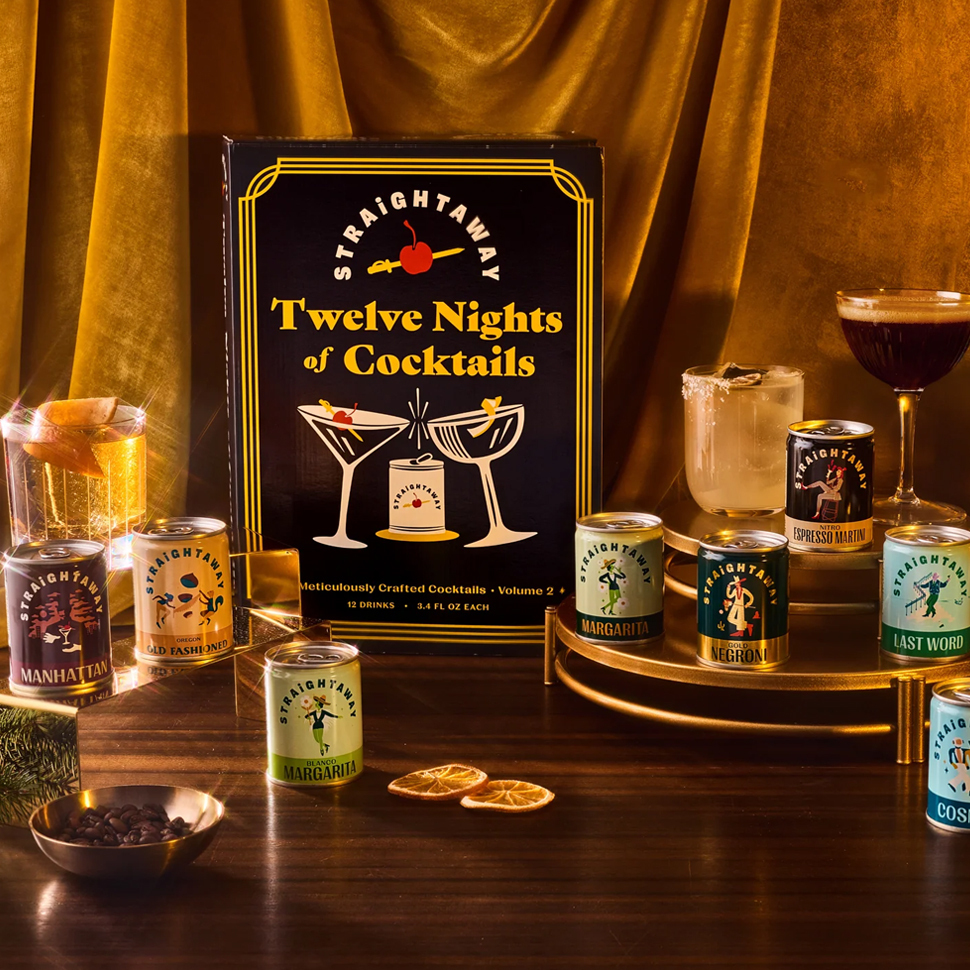
Airline partnerships are a unique growth channel for food and beverage brands — and they operate very differently from traditional retail or on-premise sales. They offer unmatched consumer attention, meaningful trial, and widespread visibility, but they also come with their own rules around procurement, logistics, forecasting, and data access.In this episode, Cy Cain, co-founder of Straightaway Cocktail Co., shares a behind-the-scenes look at what it actually takes to work with an airline. From pitching and onboarding to forecasting demand, navigating compliance, and scaling operations, you'll find out how airline programs function in practice, and how brands can evaluate whether this channel makes sense for their business.
December 23, 202540 mins
Amazon is one of the most powerful growth channels for CPG brands, but the rules are change fast. New fulfillment approaches, evolving advertising tools, and deeper access to customer data are reshaping how food and beverage brands compete on the platform.In this episode with Straight Up Growth, find out what's changing on Amazon heading into 2026 and how those shifts affect growth strategy. The conversation covers grocery and fresh delivery, advertising and measurement updates, and how brands can use data to make smarter decisions about spend, product focus, and long term profitability.
December 16, 202539 mins